Your documents shouldn't live in seventeen different places.
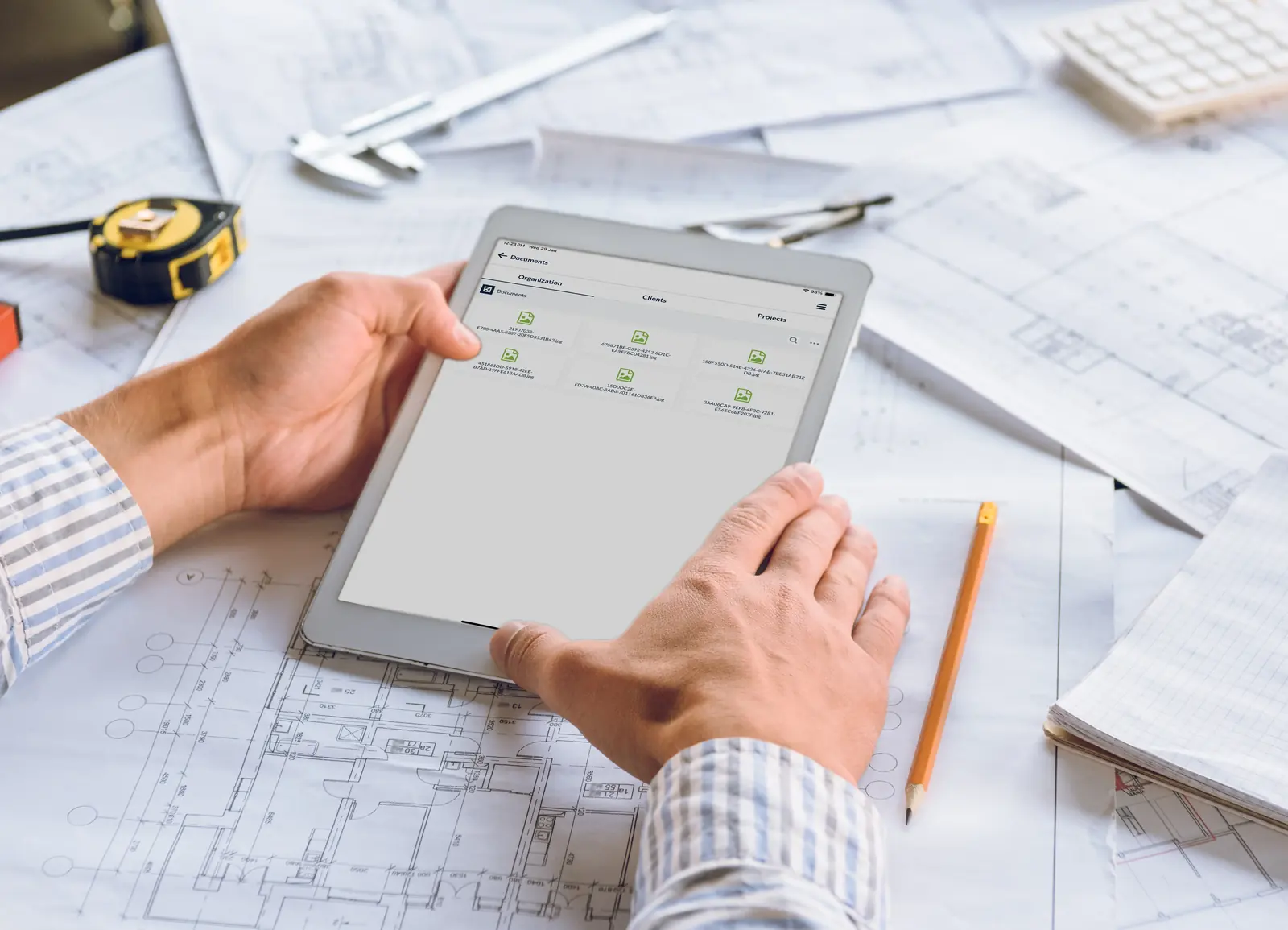
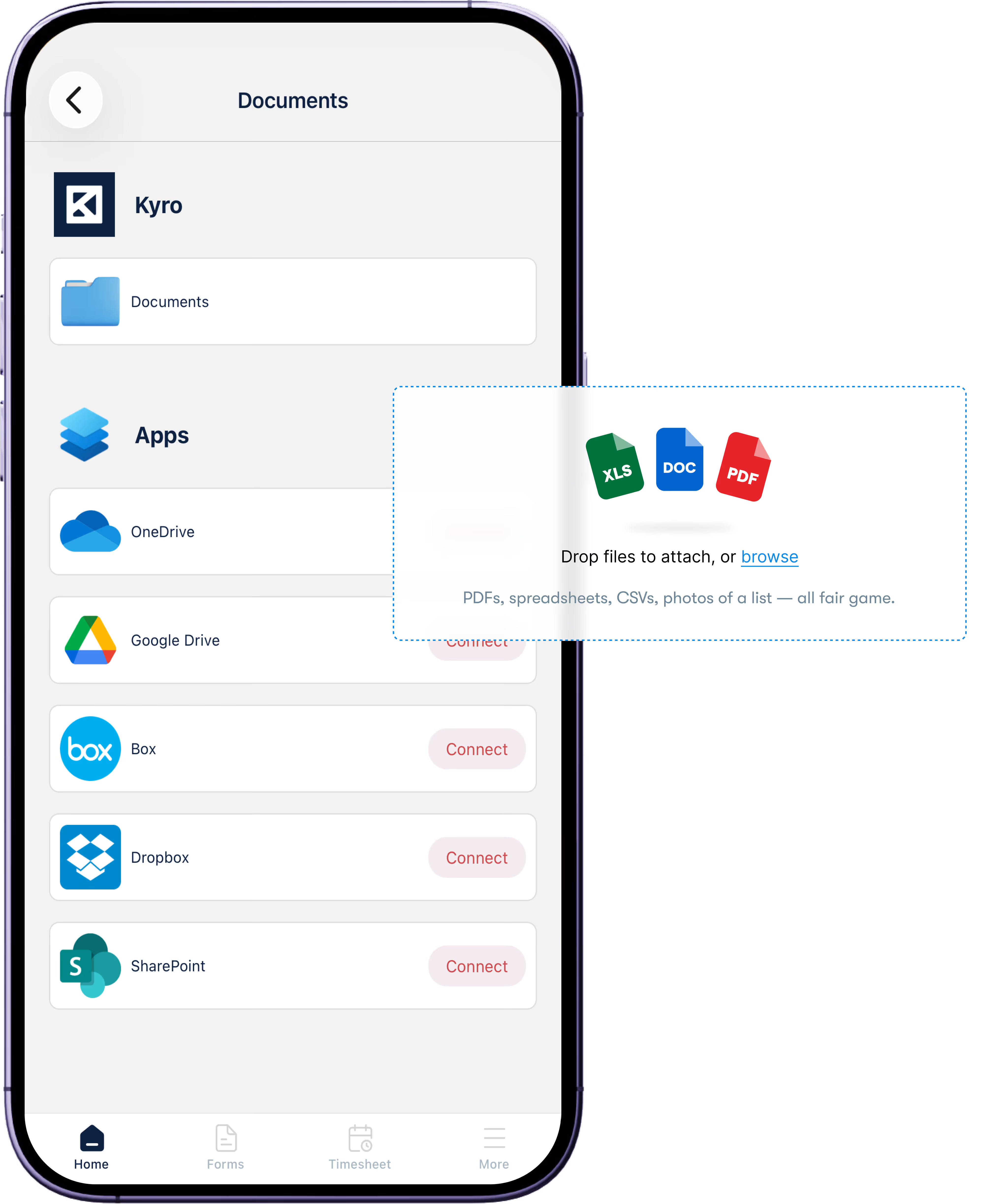
KYRO's Document Management module gives utilities and contractors a centralized hub for every contract, certificate, compliance form, and field photo — accessible from anywhere, even offline.
No commitment. No implementation fee. Unlimited users. Cancel anytime.
The Document Management Problem
COIs and MSAs tracked in email
Field photos scattered across personal phones
Compliance documents missing at audit time
No version control on contracts
Subcontractor agreements unsigned or expired
Transform how you manage project files with centralized storage and real-time collaboration. KYRO ensures your files are secure, accessible, and ready whenever you need them.
Visualize outages with maps
Use ARCGIS-powered, color-coded maps to track storm paths, danger zone mapping, outages, assets, and crew locations. Prioritize restoration zones effectively and coordinate teams with greater clarity on the ground.
Is there a limit to how many documents we can store?
No. Every KYRO plan includes unlimited document storage — contracts, COIs, MSAs, field photos, safety forms, and compliance records — all searchable and role-controlled.
How do subcontractors submit their COIs and compliance documents?
Subcontractors can self-submit through KYRO's portal without needing a full account. KYRO tracks submission status, flags missing documents, and sends automated renewal reminders before expiration.
Can we mark up and approve documents inside KYRO without going to a separate tool?
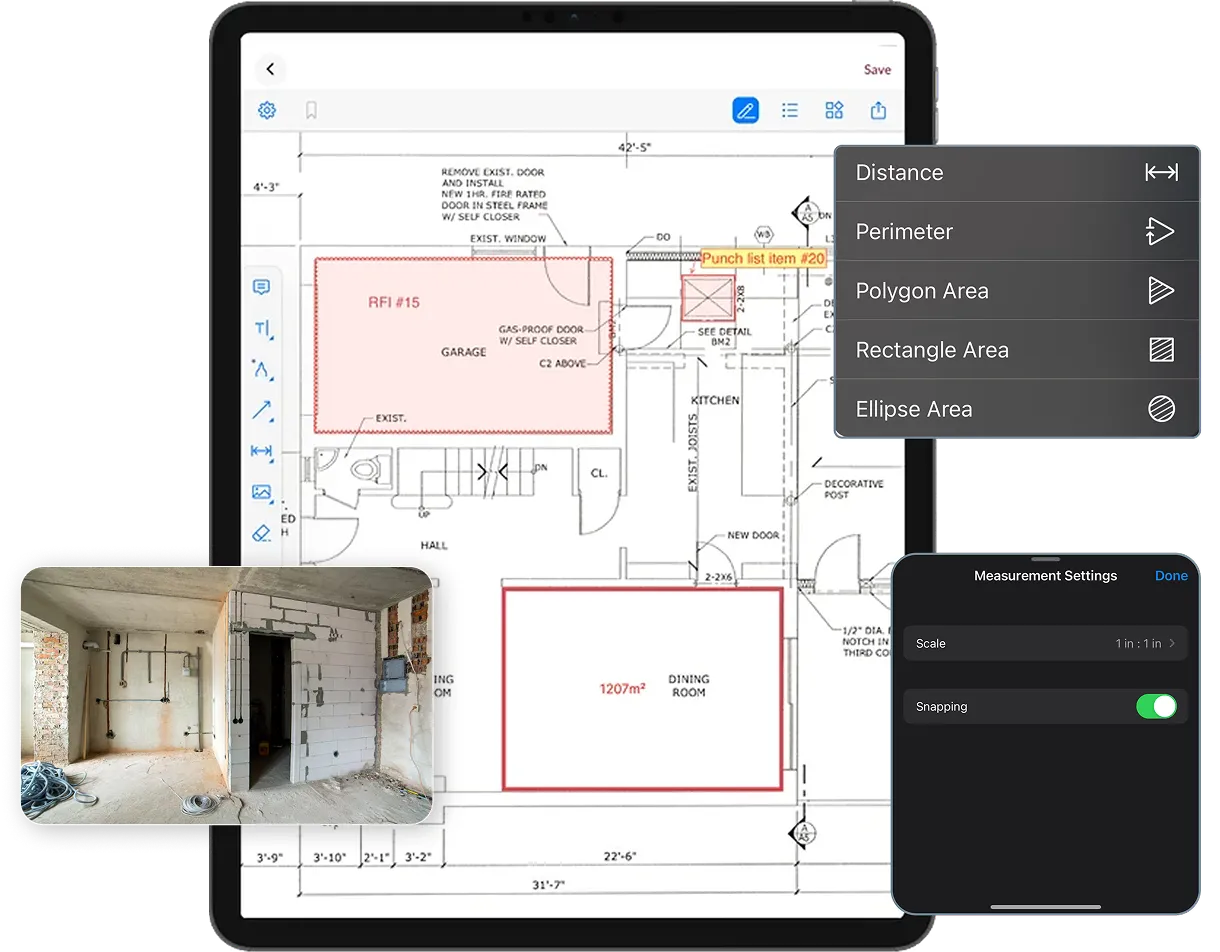
Yes. KYRO includes native PDF markup and annotation — so your team can review, redline, and approve contracts, as-built drawings, and field documents without leaving the platform. Redlines and markups are stored as part of the document record, giving you a complete as-built documentation trail.
What tools does KYRO give field crews for capturing and documenting work in the field?
Field crews can capture geo-tagged photos directly from the mobile app and attach them to tasks, punch lists, or work orders. KYRO includes a library of pre-built forms — safety, compliance, inspection — plus a form builder for custom workflows. PDF fillable forms are supported for teams that prefer familiar formats, making adoption easy without forcing a workflow change on day one.
See it live. Decide for yourself. $500/month to get started.
No commitment. No implementation fee. Unlimited users. Cancel anytime.
FAQ's
What is storm response and why is it important for utilities?
Storm response refers to the organized efforts utilities take to restore power, clear hazards, and protect infrastructure during and after severe weather events. Effective storm response minimizes outages, reduces costs, and improves safety for crews and customers. KYRO AI helps utilities manage storm response efficiently with AI-driven insights, real-time tracking, and automated workflows.
How does storm restoration work with KYRO AI?
Storm restoration involves assessing damage, deploying crews, and repairing infrastructure as quickly as possible. KYRO AI streamlines this process with interactive dashboards, real-time damage assessment, GIS mapping, and predictive AI tools to prioritize high-impact areas and optimize crew deployment.
What is AI storm response and how does it help?
AI storm response uses artificial intelligence to predict storm damage, optimize crew allocation, and prevent asset failure before storms hit. KYRO AI leverages AI to forecast outage risks, analyze vegetation threats, validate crew credentials, and automate reporting, ensuring faster and safer storm restoration.
Can KYRO AI help with storm control and damage prevention?
Yes. KYRO AI’s AI-powered predictive analytics identify high-risk areas, monitor vegetation encroachments, and alert utilities to potential hazards, enabling proactive storm control measures. This reduces equipment damage, minimizes outages, and improves response efficiency.
How does KYRO AI improve communication during storm response?
KYRO AI offers SMS alerts, push notifications, and real-time field-to-EOC data flow. Crews and contractors stay informed about assignments, hazards, and changes in priorities, ensuring faster, coordinated storm response.
Can storm response operations be managed offline?
Absolutely. KYRO AI supports offline data capture, allowing crews to log timesheets, assessments, and forms even when connectivity is unavailable. Data automatically syncs when back online, maintaining continuity during storm events.
How does KYRO AI handle safety and compliance during storm restoration?
KYRO AI provides customizable storm-specific safety and compliance forms, including OSHA- and FEMA-ready checklists. Crews can quickly document hazards, incidents, and clearance work, ensuring regulatory compliance and audit-ready reporting.
Does KYRO AI support asset and resource management during storms?
Yes. Track all crews, contractors, equipment, and materials in one centralized hub. KYRO AI enables utilities to allocate resources efficiently, avoid duplication, and prioritize high-risk areas for faster storm restoration.
What makes KYRO AI different from traditional storm response tools?
Unlike manual processes or generic dashboards, KYRO AI combines AI predictive analytics, GIS mapping, mobile field tools, workflow automation, and real-time communication. This creates a smarter, faster, and fully connected storm response system.
Who can benefit from AI storm response technology?
Utilities, contractors, emergency management teams, and municipalities benefit from AI storm response by reducing downtime, improving safety, controlling costs, and accelerating post-storm restoration.